Speaking at a special occasion
To prepare a speech for a special occasion, start from one central idea, illustrate it with one or two specific anecdotes and aim for three to five minutes. A speech moves people when it is more about the person being celebrated than about the speaker. This guide helps you find your words, build your text and deliver it with confidence, whether for a wedding, a funeral, a retirement or a birthday.
Why support matters at this moment
Speaking in front of family and friends is as much about emotion as about form: you worry about leaving someone out, saying too much, being overwhelmed or not rising to the occasion. An outside perspective helps you sort through memories, find the right tone and prepare how you will deliver the text, not just how you will write it. For a eulogy in particular, being supported lets you write without wearing yourself out at an already difficult time.
Signs that support would help you
- You have been asked to say a few words and keep putting off getting started.
- You have too many memories and don't know which to keep.
- You are afraid of being overcome by emotion when the moment comes.
- Public speaking makes you uneasy, even in front of people you know.
- You need to pay tribute to someone who has died and the words won't come.
Our advice, step by step
Find your central idea
Before writing, sum up in one sentence what you want the audience to take away: one of the person's qualities, a bond, a lesson. Everything in the speech should serve that sentence, and anything that strays from it can go.
Choose one or two specific anecdotes
A concrete scene, with a place, a moment and a line someone said, is more moving than a list of qualities. Check that the anecdote makes sense to everyone, including those who don't know the story, and that it won't embarrass anyone.
Follow a simple structure
An opening that explains how you know the person, a middle built around your central idea and anecdotes, then a close that turns towards them: a wish, a thank-you, a toast. This three-part structure reassures the audience and keeps you on track.
Aim for three to five minutes
Spoken aloud, that is roughly one to one and a half pages of text. A short, sincere speech leaves more room for emotion than a long list; if several people are speaking, agree among yourselves to avoid repeating each other.
Match the tone to the occasion
A wedding welcomes humour, as long as it stays kind; a eulogy calls for restraint, without ruling out a fond memory that raises a smile; a retirement speech should honour the career as much as the person. Keep in mind every generation in the room.
Rehearse out loud
Read your text aloud several times, ideally to someone you trust, to spot sentences that run too long and passages where emotion may stop you. Mark those places so you remember to pause and breathe.
Prepare for the day itself
Print your text in a large font, or note the main points on a card. If emotion takes over, pause and breathe: the audience will understand, and that moment becomes part of the speech.
Filomy by your side, at every moment that matters
The online guest book gathers messages, photos, videos and voice notes from family and friends by link or QR code, with no app or account, giving your speech memories beyond your own.
Online guest book →If someone dear can't be there, the personalised card brings together a message, photo, audio or video, and is shared by link or QR code, free of charge, so your words still reach them.
Personalised card →For a funeral or a retirement, the memory book lets you tell a life chapter by chapter, with several contributors, and then print it: your speech can find its place there.
Memory book →The time capsule delivers a message written today in 1, 5 or 10 years, for free: a wedding or birthday toast can carry on through a few words to reread later.
Time capsule →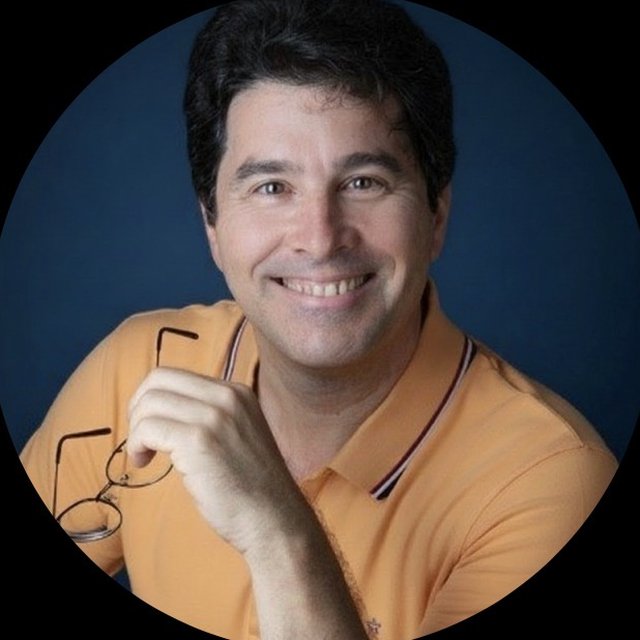
A tailored path
Olivier Paris, a coach and biographer trained in narrative storytelling, has spent more than 5 years helping individuals and teams in the art of telling their own story. For an important speech, he builds a personalised path with you: working out what you want to say, structuring your story and preparing how to deliver it. He also runs "telling your own story" writing workshops in Marseille and the wider Provence-Alpes-Côte d'Azur region.
Build my path with Olivier →Filomy partner · coach and biographer · life-story writing workshops in Marseille and the PACA region
Frequently asked questions
How long should a wedding speech be?
Three to five minutes is generally enough, which is roughly one to one and a half pages of text. Beyond that, the audience's attention drops, especially when several people are speaking.
What if I am overcome by emotion during a eulogy?
Build pauses into your text, keep a glass of water within reach and allow yourself to stop for a moment. You can also agree in advance with someone close that they will carry on reading if needed.
Should I learn my speech by heart?
There is no need. Reading a well-prepared text while looking up at the audience from time to time is perfectly acceptable. What matters is having rehearsed it enough to deliver it naturally.
How do I start a retirement speech?
Begin by explaining how you know the person, for how long and in what context, then say in one sentence what you want to honour in them. A work anecdote the whole team shares is then a good way into the heart of the speech.